Heat Pump Expert Services for Toronto Homes
When your heat pump is running but your home still feels cold, most homeowners start wondering the same things right away: Is something broken? Is my system too small? Am I about to lose heat completely? In the middle of a Toronto cold snap, that worry makes total sense.
Some heat pump behavior that feels "wrong" in winter is actually normal. Cold-climate heat pumps can still heat efficiently in low temperatures, but they don't always feel like a traditional furnace. Longer run times, warm-ish air instead of hot air, and short periods of cooler air during defrost cycles can all be part of normal operation.
What "Normal" Heat Pump Performance Looks Like in a Toronto Winter
One of the biggest reasons homeowners think their heat pump is failing in winter is simple: a heat pump does not feel like a furnace. Even when everything is working properly, the air coming from vents or indoor heads often feels warm-ish rather than hot, especially during colder weather. That does not automatically mean something is wrong.
In Toronto, it's also normal for a heat pump to run for long stretches of time during a cold snap. Heat pumps are designed to maintain a steady indoor temperature efficiently, not blast heat in short bursts. So if your system seems like it is "always running", that can actually be a sign it is doing its job.
Even cold-climate heat pumps have limits. When outdoor temperatures drop well below freezing, your system may take longer to recover after doors are opened, after a setback temperature overnight, or after a sudden temperature drop outside. The key sign to watch is whether your home temperature is holding steady or slowly falling behind hour after hour.
If your heat pump is running steadily, your indoor temperature stays close to the setpoint, and the system occasionally goes into defrost mode, those are all normal winter patterns.
Across Canada, more than 280,000 new heat pumps were installed with federal support programs between 2020 and January 2026, including nearly 105,000 in Ontario and over 70,000 in Quebec. (source)
Why Your Heat Pump Goes Into Defrost Mode
If your heat pump seems to "blow cold air" for a few minutes in winter, there's a good chance you're seeing something completely normal: defrost mode.
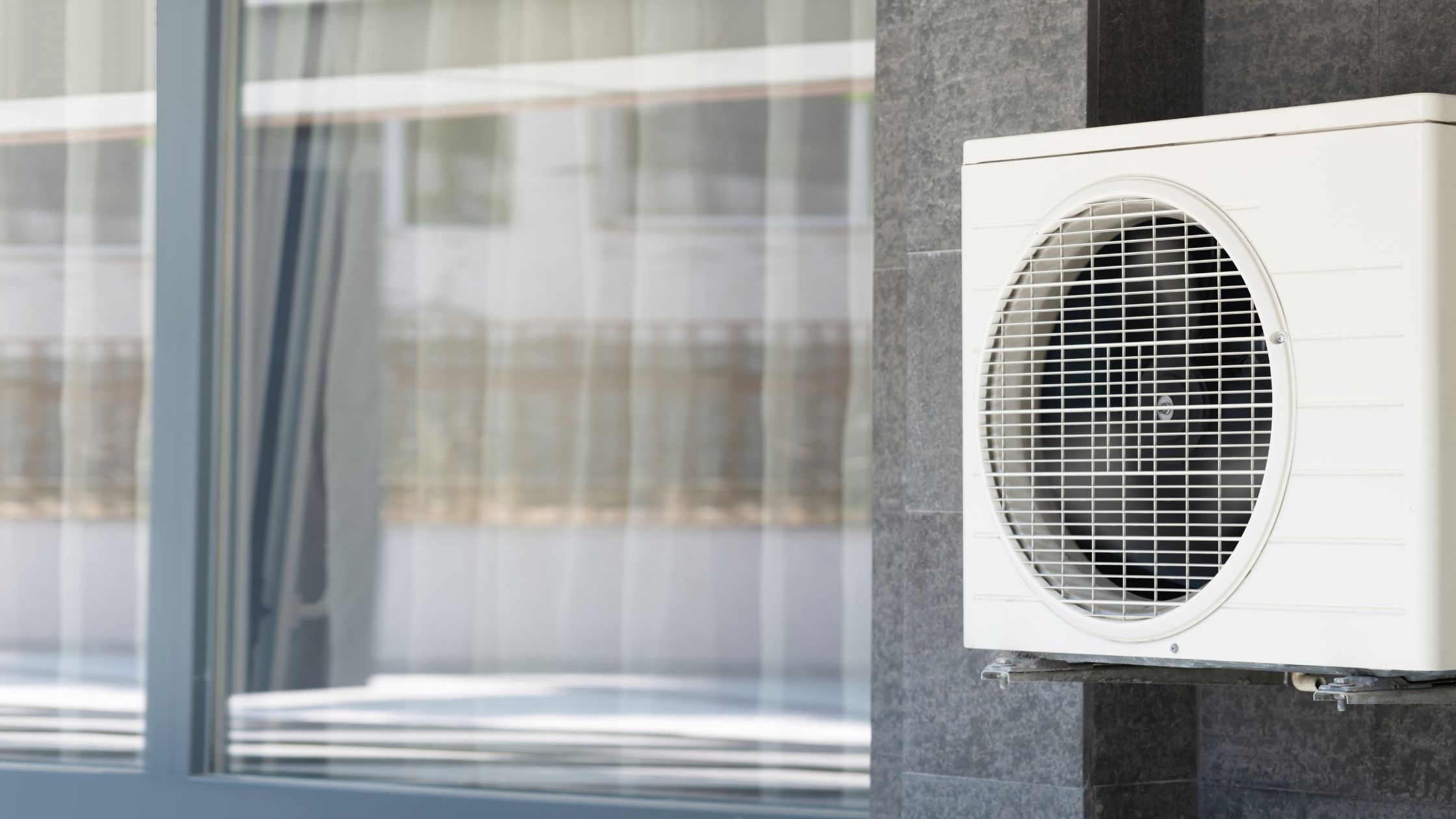
In cold Toronto weather, moisture in the air can freeze onto the outdoor coil while your heat pump is running. This is normal. As frost builds up, it restricts airflow and reduces efficiency, so the system periodically needs to melt it off. That process is called a defrost cycle, and it's built into how heat pumps are designed to operate in winter.
During defrost, the system temporarily shifts how it runs so it can warm the outdoor coil and clear frost. Depending on your setup, you may notice a few things:
- The outdoor fan may stop briefly
- You may see steam rising from the outdoor unit
- You may hear a whoosh or change in sound as the system switches modes
- Indoors, the air may feel cooler for a short time
Most defrost cycles last only a few minutes. After that, the system returns to normal heating.
When defrost is a problem
Defrost mode becomes a concern when it happens too often, lasts too long, or the outdoor unit is still building heavy ice. If your heat pump seems to spend more time defrosting than heating, or your outdoor unit is freezing into a solid block of ice, that is not normal, and it usually points to an airflow issue, a defrost control problem, or a refrigerant or sensor issue that needs professional service.
Thermostat Settings That Commonly Cause Cold Weather Problems
In winter, heat pump performance is heavily influenced by thermostat settings. In fact, some of the most common "my heat pump isn't keeping up" calls in Toronto come down to settings that are technically correct, but not ideal for how heat pumps work in cold weather.
Here are the biggest ones to check.
Heat mode vs Auto mode
If your thermostat is set to Auto, it may switch between heating and cooling depending on indoor temperature swings. In winter, that can create confusing behaviour, longer recovery times, and sometimes even short cycling.
For cold weather, it's usually best to set the thermostat to Heat and leave it there.
Fan setting ON vs AUTO
Many homeowners set the fan to ON because they want more airflow. The problem is that during defrost cycles (and sometimes between heating cycles), running the fan continuously can push cooler air through the home, making it feel like the heat pump is blowing cold air even when the system is functioning normally.
In winter, AUTO is usually the better setting.
Big temperature setbacks
Heat pumps are most efficient when they maintain a steady temperature. If you drop the thermostat several degrees overnight and then raise it sharply in the morning, your heat pump may struggle to catch up, especially during a Toronto cold snap.
Instead of large setbacks, use small adjustments or keep the temperature steady when outdoor temperatures are very low.
Smart thermostat and heat pump compatibility issues
Not all smart thermostats are equally heat pump-friendly, and some are not ideal for certain setups (especially ductless systems or cold-climate equipment like Mitsubishi H2i). In some cases, the thermostat may be:
- staging heat incorrectly
- triggering backup heat too aggressively
- failing to manage defrost behaviour smoothly
If your heat pump issues started after a thermostat change, that is a major clue.
Airflow Problems That Reduce Heat Pump Performance
Even a perfectly sized heat pump can struggle in winter if airflow is restricted. In cold Toronto weather, heat pumps rely on steady airflow to move heat efficiently, and when that airflow is blocked, the system may run constantly while your home still feels cold.
Dirty filters
A clogged filter is one of the most common reasons a heat pump cannot keep up. When the filter is dirty, airflow drops, heat transfer becomes less efficient, and the system may start blowing air that feels weak or cool.
If your system uses a standard furnace-style filter, check it first. In winter, filters often need changing more frequently than homeowners expect.
Blocked vents and closed registers
Closing vents to "push heat" into other rooms is a common habit, but heat pumps do not respond well to that strategy. Closing too many vents can reduce total airflow, raise system strain, and make heating performance worse.
Make sure supply vents are open and not blocked by furniture, rugs, or curtains.
Return air restrictions
Returns are just as important as supply vents. If return air is blocked, the system cannot circulate warm air properly. Check for:
- furniture placed directly in front of returns
- blocked grilles
- dusty return vents
- doors that stay closed and prevent airflow in smaller rooms
Outdoor airflow problems
Airflow also matters outside. In winter, snow, wind, and ice buildup can reduce airflow through the outdoor unit, which affects heating performance inside.
Make sure the outdoor unit has:
- clear space around it
- no snow piled against it
- no ice blocking the coil or base
- no debris trapped in the fins
If airflow is good and your heat pump still cannot keep up, the next thing to check is the outdoor unit itself, especially icing. Some frost is normal, but heavy ice is not.
Ice on Your Heat Pump Outdoor Unit
In a Toronto winter, it's completely normal to see some frost on the outdoor unit. Heat pumps pull heat from outdoor air, and when temperatures hover around freezing (especially with high humidity), frost can build up on the coil.
That's exactly why defrost mode exists.
But there's an important difference between normal frost and a problem that will prevent your heat pump from heating properly.
What is normal
- A light layer of frost on the coil
- Frost that appears and disappears as the unit runs
- Steam during defrost
- Water dripping underneath the unit after a defrost cycle
What is not normal
- Thick ice covering the coil
- The unit turning into a solid block of ice
- Ice buildup that never clears
- Ice forming around the base and trapping the unit in frozen water
- The system losing heat output as the ice builds
Heavy icing reduces airflow and heat transfer, which can make the indoor side feel like it's blowing cool air, even when the heat pump is technically still running.
What you can do safely
If your heat pump is icing up, here are safe homeowner checks that can help:
- Clear snow away from the unit and around the coil
- Make sure the unit has proper clearance on all sides
- Check for blocked airflow, like snowdrifts or frozen slush
- If the unit is buried at the base, carefully clear away snow so meltwater can drain
Avoid these common mistakes:
- Do not chip ice off the coil (it can damage the fins)
- Do not pour boiling water on the unit (it can crack parts and refreeze dangerously)
- Do not force the unit to run if it's fully frozen and struggling
If your outdoor unit is heavily iced and defrost mode isn't clearing it, the issue may be related to a defrost control problem, low refrigerant, a sensor issue, or airflow and drainage problems, all of which require professional service.
When the Heat Pump Is Likely Undersized
Sometimes a heat pump is not "broken" at all, it's simply not large enough (or not designed) to handle the heating load during a true Toronto cold snap. This is especially common in older homes, homes with limited insulation, or systems that were installed without a proper heat loss calculation.
An undersized heat pump can still work well most of the year. The problem is that when temperatures drop sharply, it runs out of capacity.
Common signs your heat pump may be undersized
Here are the most common patterns HVAC technicians look for:
- The heat pump runs constantly but never reaches the thermostat set temperature
- The indoor temperature slowly falls behind throughout the day
- The system heats fine during mild winter weather but struggles badly during extreme cold
- Certain rooms stay cold no matter what you do
- You feel like you are "always adjusting the thermostat" just to stay comfortable
Toronto weather can be deceptive. Many winter days are mild enough that almost any heat pump can keep up. But during a cold snap, especially with wind and low humidity, your home's heat loss increases quickly.
If the system was sized for average conditions instead of worst-case winter conditions, you'll feel the difference right away.
Why Cold Climate Models Handle Winter Better
Not all heat pumps perform the same in winter. Cold-climate models are designed to deliver stronger heat output at low temperatures. For example, systems like Mitsubishi Hyper Heat (H2i) are built specifically for cold-weather performance and can maintain heating capacity far better than standard models.
Even a cold-climate heat pump still needs to be sized properly for the home.
Backup Heat and Extreme Cold Weather Performance
Many Toronto installations include some form of backup heat (electric or dual-fuel). If your heat pump cannot keep up only during the coldest days, it may be that your system is designed to rely on backup heat at a certain temperature, and that backup heat is not engaging properly, or isn't configured correctly.
If your heat pump is consistently falling behind in winter, it's worth having a professional assess the sizing, setup, and cold-weather performance.
Signs Your Heat Pump Needs Service
Some winter heat pump issues are minor and can be solved with simple checks. Others are clear signs that your system needs professional service, and waiting can make the problem worse, especially during a Toronto cold snap.
If you notice any of the issues below, it's time to have your heat pump inspected. Book a service visit or call 416-241-9093.
No heat at all
If your system is running but your home is not warming up at all, or the indoor temperature is dropping quickly, don't wait. This is no longer a "performance" issue, it's a heating failure.
Cold air blowing constantly
It's normal for the air to feel cooler during defrost mode. It is not normal for the system to blow cold air continuously for long periods, especially if the thermostat is calling for heat.
The outdoor unit is heavily iced over
Light frost is normal. Thick ice is not. If the outdoor unit looks like a frozen block, or the ice is not clearing after defrost cycles, the system may have a defrost problem, sensor issue, airflow restriction, or refrigerant issue.
Error codes or frequent shutdowns
If your thermostat or indoor unit is displaying an error code, or the system keeps shutting down and restarting, you're likely dealing with a control, electrical, or sensor issue that requires service.
Unusual noises
Heat pumps make normal operational sounds, but these noises are red flags:
- grinding
- metal-on-metal scraping
- loud buzzing
- repeated clicking
- banging or rattling that is new
Tripping breakers or electrical smells
If the heat pump trips the breaker, smells like burning, or gives off an electrical odour, shut it off and call for service immediately. Electrical issues should never be ignored.
If you're seeing any of these signs, the safest move is to stop troubleshooting and get the system inspected.
Toronto Winter Heat Pump Tips to Prevent Problems
A heat pump that struggles in winter is often dealing with a predictable issue, and many of the most common cold-weather problems can be prevented with a few simple habits. These tips can help your system run more reliably through Toronto's winter season and reduce the chances of losing heat during a cold snap.
Change or clean filters more often in winter
Airflow is everything for heat pumps. If your filter is even moderately dirty, your heating performance can drop quickly. During winter, check your filter regularly and replace or clean it as needed, especially if you have pets or ongoing renovations.
Keep the outdoor unit clear of snow and drifting
Toronto snowfalls and wind can block airflow around the outdoor unit, especially if snow drifts build up on the coil side. Make sure the unit has open space around it and that snow is cleared after storms.
Even if the unit is elevated, ice can still build up around the base as meltwater refreezes.
Avoid large thermostat setbacks during cold snaps
Heat pumps are designed to maintain temperature steadily. Large setbacks can make the system struggle to recover, and in extreme cold it may never fully catch up. In very cold weather, it's usually better to keep the temperature stable.
Use the right thermostat settings
In winter, most homeowners get the best results by keeping:
- the thermostat set to Heat
- the fan set to Auto
This helps reduce the chance of cool drafts during defrost and keeps the system operating more predictably.
Schedule maintenance before peak winter season
Many heat pump issues show up first during the coldest days, exactly when service calls spike. A seasonal inspection can catch early problems like restricted airflow, drainage issues, weak defrost performance, or sensor faults before they become an emergency.
Make sure your system is designed for Toronto winter performance
If your heat pump is struggling in winter, it doesn't always mean the system is failing. But if your home is getting colder, the outdoor unit is icing heavily, or something just feels off, it’s worth getting it checked before it turns into a no-heat emergency. For service or questions, you can reach HeatPumps.ca by email or at 416-241-9093.
Heat Pump Rebates Available
You may qualify for federal, provincial, and local heat pump rebates that can significantly reduce installation costs..

Toronto & GTA:
416-241-9093
Georgian Bay & Cottage Country Area:
705-617-9642

Toronto, Ontario